Core Interaction Science
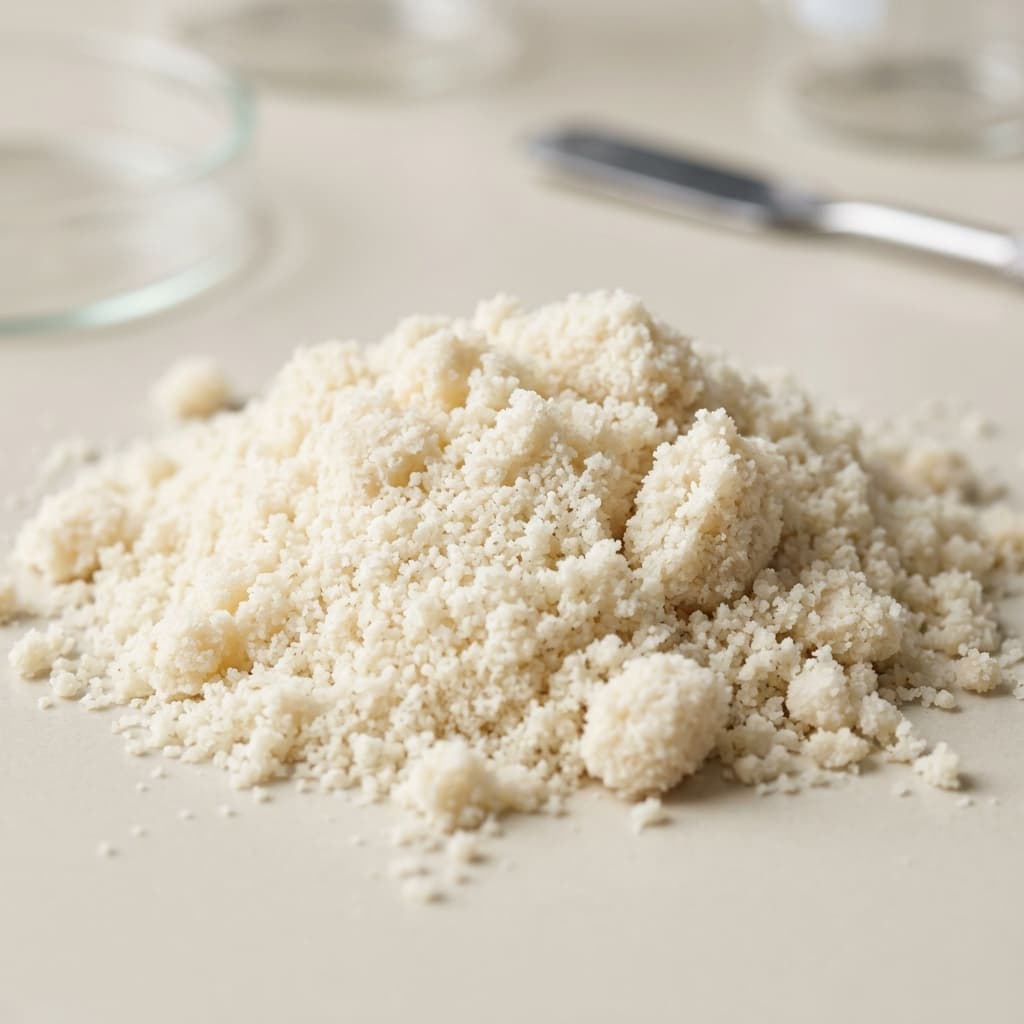
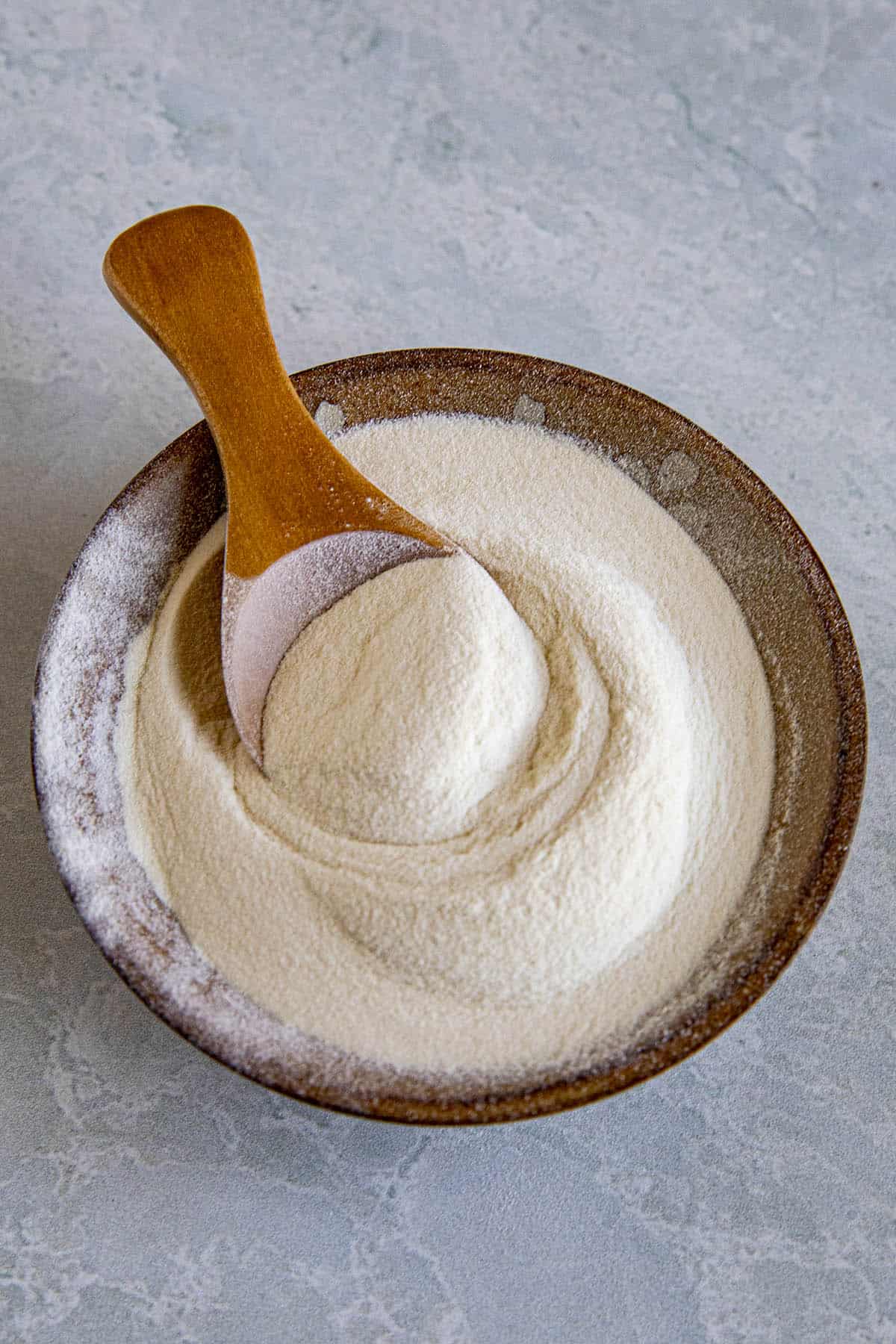
When almond flour is paired with xanthan gum, the result is a superior gluten-free structure that closely mimics traditional cake sponge. Almond flour provides high moisture and healthy fats, while the xanthan gum acts as the "glue" that binds the otherwise loose nut meal particles together. This combination is particularly effective because the protein in the almonds interacts with the polysaccharides in the gum to form a flexible matrix that can hold air bubbles during the leavening process. Without xanthan gum, almond flour baked goods often collapse or become overly crumbly once cooled. With it, you achieve a resilient texture that handles slicing and frosting with ease. This pair is the industry standard for premium gluten-free celebration cakes and dense, fudgy brownies where structural integrity is just as important as mouthfeel.
🔬 Why This Happens
Almond flour lacks the elastic proteins found in wheat. Xanthan gum introduces a synthetic elastic network that traps CO2 from leavening agents.
🛠️ How to Fix It
If too gummy, reduce xanthan gum by 1/4 teaspoon. If too crumbly, increase the fat content or add one extra egg white.
Lab Specifications
Structural Stability Index95%
density
65
moisture
85
crumb Structure
75
elasticity
80
crispness
40
Related Lab Notes
Best for: Birthday cakes, muffins, and layer cakes. Ratio: 1/2 tsp xanthan per 1 cup almond flour.
🛡️ Safety Tips
Always check that your xanthan gum is certified gluten-free, as some are processed on shared equipment with wheat.
Lab-Suggested Tweaks
To further optimize this formulation, consider the following technical adjustments:
- Try adding 1/2 tsp of Psyllium Husk to increase elasticity.
- Increase structural bulk with 2 tbsp of Tapioca Flour.