Core Interaction Science
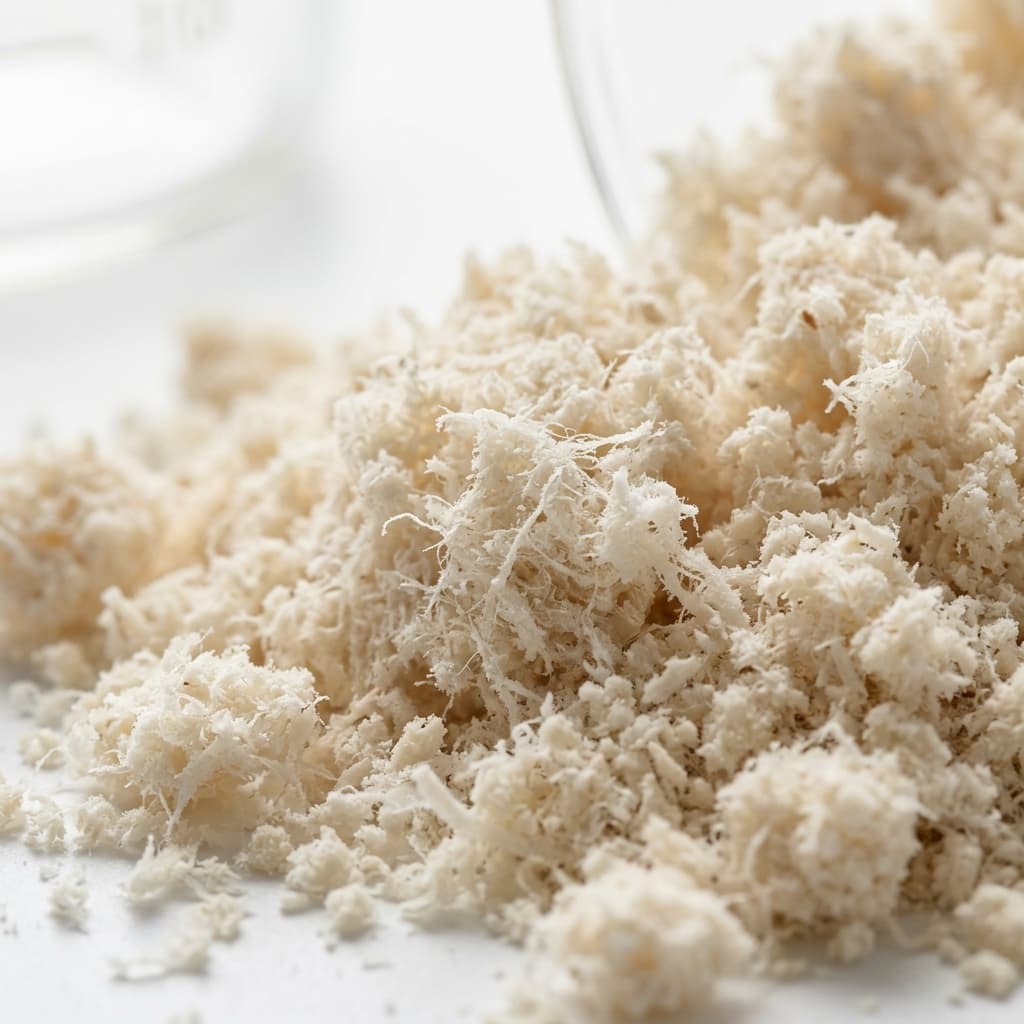
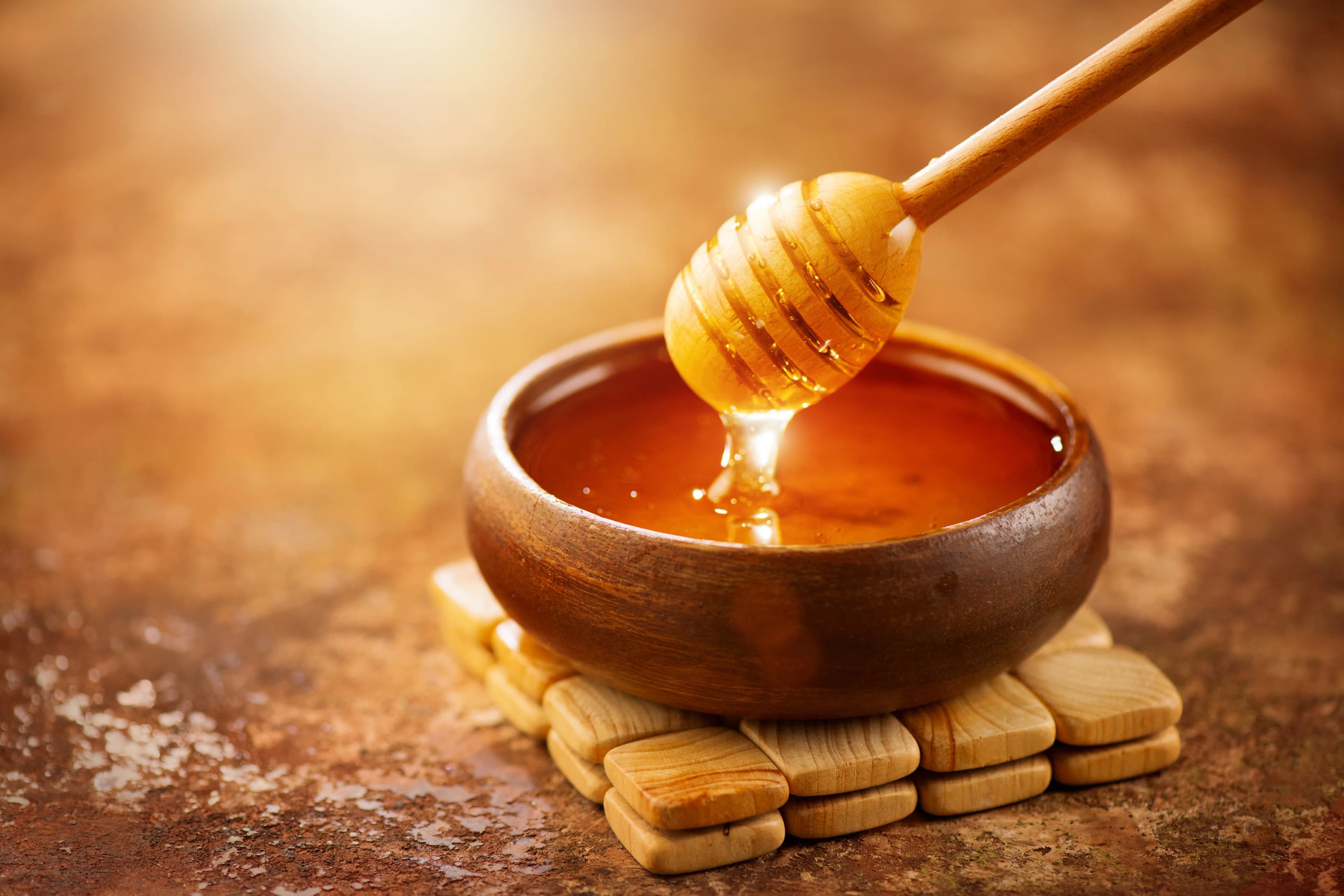
Coconut flour is notoriously difficult to work with due to its extreme fiber content, which can absorb up to eight times its weight in liquid. When paired with honey, the result is a dense, fudge-like consistency that relies on the natural humectant properties of the honey to stay moist. This interaction is unique because it relies more on the sugar-matrix coagulation than standard starch gelatinization. Because coconut flour is so dense, it often requires extra moisture beyond what honey alone provides. This combination creates a highly nutritious, low-carb structure that is perfect for grain-free bars. However, without a dedicated binder like eggs or gum, the bake can be fragile and prone to crumbling if handled while warm. The rich fiber of the coconut flour and the floral sweetness of the honey create a complex flavor profile that is highly satisfying for health-conscious bakers.
🔬 Why This Happens
Coconut flour fiber requires massive hydration. Honey provides moisture and act as a natural adhesive when cooled.
🛠️ How to Fix It
If too dry, add 1 tablespoon of coconut oil. If too crumbly, add 1 egg or 1/2 tsp xanthan gum.
Lab Specifications
Structural Stability Index50%
density
85
moisture
90
crumb Structure
40
elasticity
30
crispness
20
Related Lab Notes
Best for: Snack bars, dense muffins, and no-bake bites. Sift the flour twice to avoid lumps.
🛡️ Safety Tips
Monitor baking time closely as honey browns much faster than cane sugar.
Lab-Suggested Tweaks
To further optimize this formulation, consider the following technical adjustments:
- Try adding 1/2 tsp of Psyllium Husk to increase elasticity.
- Increase structural bulk with 2 tbsp of Tapioca Flour.