Core Interaction Science
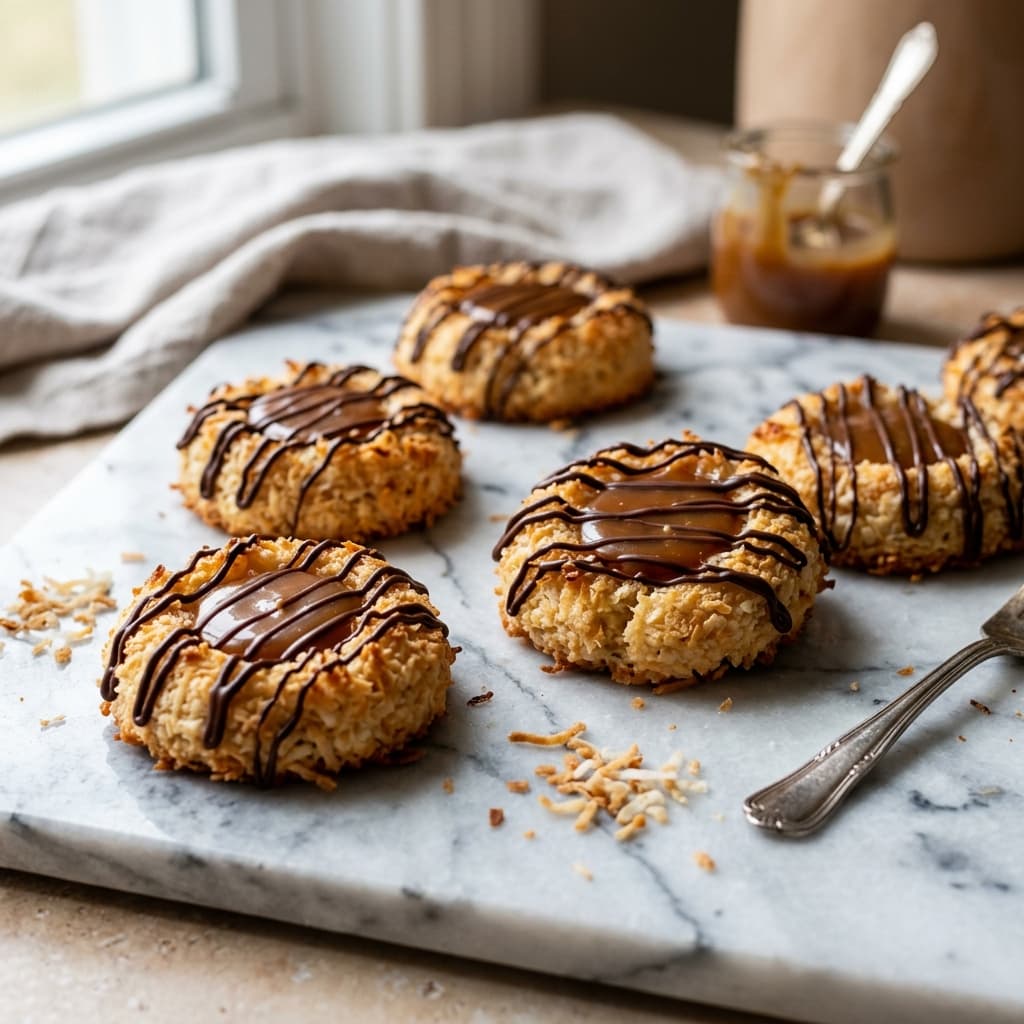
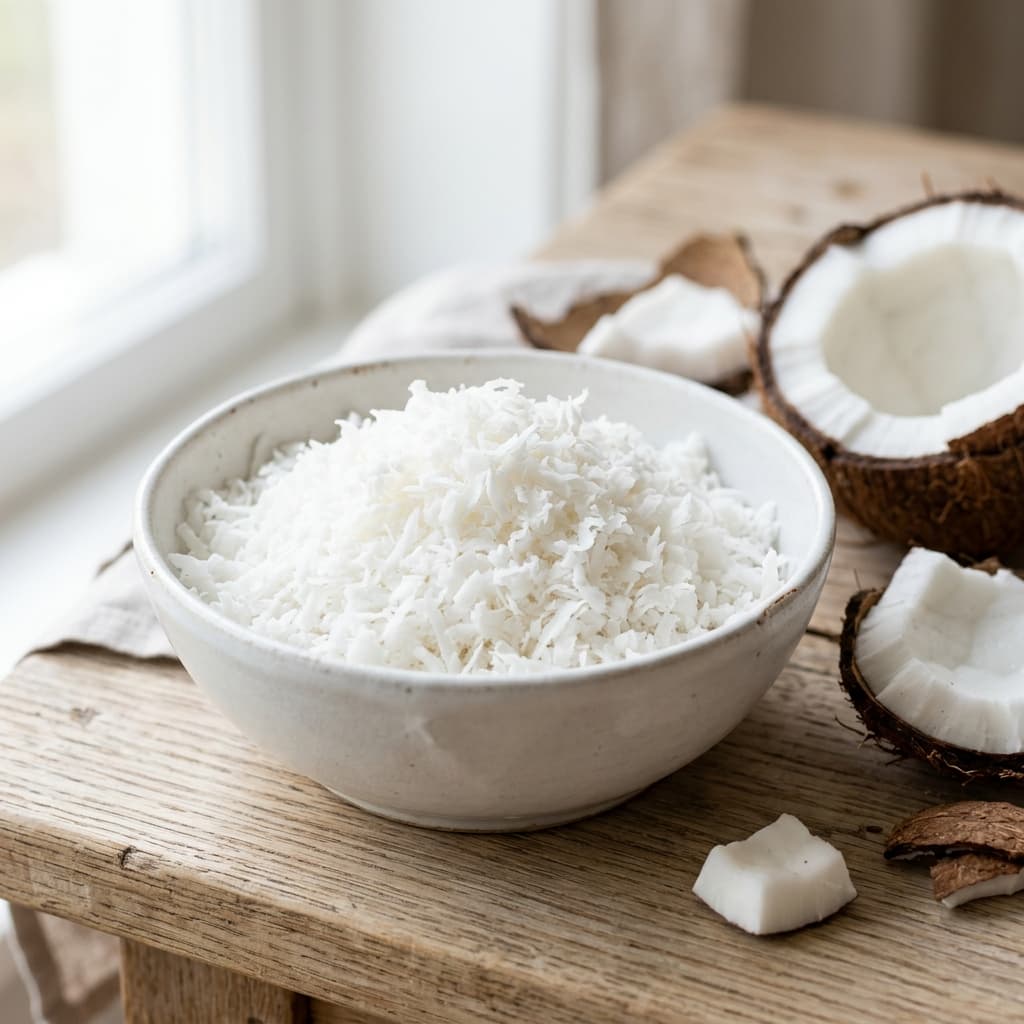
Combining a Shredded Coconut base with a high-performance Eggs results in a stable, reliable structure for most baking applications. The rich fats in the Shredded Coconut provide a tender crumb, while the Eggs ensures that the final product doesn't crumble upon cooling. This is the foundation of modern gluten-free baking, where the goal is to balance moisture with elasticity. The interaction between these two ensures that air bubbles trapped during mixing are held firmly in place during the bake, leading to a consistent rise and a mouthfeel that closely approximates traditional wheat-based treats. This combination is particularly well-suited for celebration cakes, muffins, and cookies that require a balance of softness and strength. By using this pair, bakers can achieve a sophisticated result that handles slicing and decoration without the fragility commonly found in simpler gluten-free preparations. Professional results are often achieved by precisely measuring these ratios to ensure the perfect harmony between tenderness and tensile strength.
🔬 Why This Happens
The binder creates a synthetic protein-like matrix that holds the heavy, oil-rich nut particles together.
🛠️ How to Fix It
If results are gummy, reduce the binder by 10%. If crumbly, increase the binder slightly or add more liquid fat.
Lab Specifications
Structural Stability Index85%
density
60
moisture
80
crumb Structure
70
elasticity
60
crispness
30
Related Lab Notes
Experimental results suggest this combination works best in small-batch testing. Always calibrate your oven.
🛡️ Safety Tips
Always ensure your ingredients are certified gluten-free.
Lab-Suggested Tweaks
To further optimize this formulation, consider the following technical adjustments:
- Try adding 1/2 tsp of Psyllium Husk to increase elasticity.
- Increase structural bulk with 2 tbsp of Tapioca Flour.